Understanding Commercial Cleaning Certifications for Business Success in Central Florida
Commercial clients seeking reliable cleaning certifications for businesses face mounting pressure to ensure quality, safety, and compliance in their facilities. This article guides facility managers and business owners through why certifications matter, which credentials lead the industry, and how certified services drive measurable success. Readers will explore five foundational benefits of certification, review key credential types such as ISSA CIMS, Green Seal, GBAC STAR, OSHA training, and specialized medical credentials, and discover how Freedom Cleaning Solutions leverages these standards to improve operations. Finally, we address selection criteria, market trends in Central Florida, and clear answers to the most common certification questions, equipping organizations with the insight needed to choose the right certified partner and gain a competitive edge.
Why Are Commercial Cleaning Certifications Essential for Business Success?
Commercial cleaning certifications formalize a provider’s commitment to industry standards and best practices, driving consistent quality, client trust, regulatory compliance, and operational efficiency. By meeting third-party criteria, certified companies demonstrate rigorous quality control, specialized training, and safety protocols that translate into lower liability and stronger reputations. For example, a school that chooses a GBAC STAR accredited partner can reduce infection risks, while an office complex with ISSA CIMS certification benefits from documented management systems. These credentials ensure every cleaning phase—from planning to execution—aligns with proven benchmarks and supports overall business goals.
How Do Cleaning Certifications Build Trust and Credibility?
Cleaning certifications build trust by verifying that a provider meets independently audited standards for management, staff training, and service delivery. Achieving credential recognition signals to clients that the company follows documented quality systems rather than informal practices. Certified credentials such as ISSA CIMS require periodic audits of policies, procedures, and customer satisfaction metrics, which reinforces transparency. When clients see a recognized certification logo, they associate that mark with reliability and professional integrity. This credibility fosters long-term contracts and positive referrals, strengthening the cleaning partner’s market standing.
In What Ways Do Certifications Ensure Quality and Consistency?
Certifications ensure quality by enforcing standardized processes for equipment use, product selection, and performance measurement. Structured guidelines on inspection schedules, supervisory oversight, and corrective actions keep service levels uniform across diverse sites. For instance, Green Seal requirements mandate eco-friendly product specification and waste-reduction protocols that guarantee consistent green cleaning results. Documented checklists, audit trails, and staff competency evaluations create a reproducible service blueprint. As a result, every cleaning visit adheres to the same rigorous criteria, preventing variability that can undermine facility standards.
How Do Certifications Enhance Health and Safety in the Workplace?
Certifications enhance health and safety by embedding hazard recognition, disinfection protocols, and protective measures into operational workflows. GBAC STAR accreditation, for example, defines validated procedures for controlling microbial contamination, PPE use, and biohazard disposal to prevent pathogen spread. OSHA training credentials ensure all cleaning personnel understand chemical handling, slip-trip mitigation, and emergency response. These layered safety frameworks reduce on-site incidents, decrease absenteeism, and support a healthier environment for employees, visitors, and tenants. Clear safety standards also minimize workers’ compensation claims and foster confidence in building hygiene.
GBAC STAR Facility Accreditation: Ensuring a Safe and Healthy Environment
The GBAC STAR Facility Accreditation Program is a cleaning, disinfection and infectious disease prevention accreditation program that helps facilities establish and maintain a safe, healthy, and infectious disease-free environment. The GBAC STAR Program is the cleaning industry’s only outbreak and infectious disease preparedness and response accreditation.
Accreditation handbook, 2003
What Role Do Certifications Play in Regulatory Compliance?
Certifications play a critical role in meeting federal, state, and local regulatory requirements by codifying mandatory safety and environmental rules. OSHA credentials align cleaning operations with workplace safety laws, covering hazard communication, respiratory protection, and bloodborne pathogen protocols. Green Seal standards incorporate EPA and local environmental regulations by specifying product toxicity thresholds and waste disposal criteria. Having certified procedures documented simplifies audits by health departments or insurance carriers. This proactive compliance approach prevents fines, ensures uninterrupted operations, and reinforces a facility’s legal standing.
How Can Certifications Provide a Competitive Advantage?
Certifications provide a competitive advantage by differentiating providers in a crowded market through verifiable expertise. Clients increasingly request credential documentation during vendor selection to confirm quality and safety assurances. Certified firms often win bids with higher scores in compliance and sustainability criteria, enabling premium pricing. Demonstrating specialized credentials—such as GBAC STAR for healthcare or ISSA CIMS-GB for green building projects—positions a company as a preferred partner for complex facilities. This targeted credential strategy opens new sectors and fosters customer loyalty through documented excellence.
What Are the Key Types of Commercial Cleaning Certifications?
Commercial cleaning certifications encompass management systems, environmental credentials, infection-prevention standards, safety training, and specialty healthcare accreditations. Each credential type addresses distinct operational priorities that collectively enhance facility sanitation and risk management. Understanding the scope, issuing body, and core requirements of each certification helps businesses align their cleaning partners with specific performance goals. The following table compares five leading credentials according to their focus areas and primary benefits.
What Is ISSA CIMS Certification and Why Is It the Industry Standard?
ISSA CIMS (Cleaning Industry Management Standard) certification is a comprehensive program that evaluates a cleaning organization’s management systems, operations, quality assurance, and training. Administered by the International Sanitary Supply Association, CIMS requires documented policies, performance metrics, employee competency assessments, and customer satisfaction procedures. The certification process includes an on-site audit and a review of management documentation, ensuring continuous improvement. Achieving CIMS status demonstrates a provider’s ability to deliver consistent, high-quality services, which is why many facility managers view it as the gold standard for organizational excellence.
How Does Green Seal Certification Promote Sustainable Cleaning Practices?
Green Seal certification establishes environmental and health criteria for both cleaning products and service protocols, promoting sustainable cleaning practices. To earn this credential, a cleaning firm must use verified non-toxic products, optimize water and energy use, and implement waste-reduction strategies. Green Seal auditors verify product formulations, procedures for recycling and disposal, and staff training in eco-friendly methods. This credential assures businesses that their cleaning provider reduces environmental impact while maintaining surface hygiene. Incorporating Green Seal standards aligns facility operations with corporate sustainability goals and community stewardship expectations.
Green Seal Certification: Benefits for Businesses and the Environment
Green Seal is one of the most recognized non profit organizations that work closely with companies from all over the country to provide certification of environmentally friendly products used by employees. There are many reasons for product certification process. The most obvious one is to preserve the environment and energy efficiency. Another important reason is to reduce the cost and increase the profit by using products with higher durability and less expensive packaging. Of equal importance is participation in green initiatives which allows hotels and other organizations to capture additional businesses, media exposure etc.
Road to the Green Seal, 2008
What Is GBAC STAR Accreditation and Its Role in Infection Prevention?
GBAC STAR accreditation is a performance-based program from the Global Biorisk Advisory Council that validates a cleaning organization’s readiness to manage infectious disease threats. GBAC STAR requires documented protocols for risk assessment, barrier precautions, disinfection procedures, and emergency response planning. Auditors review staff qualifications, equipment sterilization, and facility protection measures. Achieving GBAC STAR accreditation signals a sanitation partner’s expertise in pathogen mitigation, which is critical for healthcare facilities, laboratories, and public venues. This credential supports rigorous infection prevention and enhances occupant confidence in facility hygiene.
Why Is OSHA Training Critical for Cleaning Safety and Compliance?
OSHA training credentials cover essential workplace safety topics, including hazard communication, bloodborne pathogen handling, fall protection, and proper use of personal protective equipment. Cleaning personnel complete standardized courses that meet Occupational Safety and Health Administration requirements and earn certifications recognized across industries. Well-trained staff follow proven practices to identify hazards, handle chemicals safely, and respond to emergencies. OSHA-trained teams help businesses avoid fines, minimize accidents, and maintain uninterrupted operations. This credential underpins a culture of safety that benefits workers and clients alike.
What Specialized Certifications Exist for Medical and Healthcare Cleaning?
Specialized medical cleaning certifications, such as those from the International Janitorial Cleaning Services Association (IJCSA) or Association for the HealthCare Environment (AHE), address unique hospital and clinic sanitation requirements. These credentials cover strict procedures for terminal disinfection, sterile processing, and biohazard waste disposal. Auditors evaluate compliance with Centers for Disease Control guidelines, staff proficiency in aseptic techniques, and documentation of cleaning cycles. Holding medical cleaning credentials assures healthcare administrators of a provider’s capability to maintain patient safety and regulatory adherence, reducing infection rates and improving accreditation outcomes.
How Does Freedom Cleaning Solutions Leverage Certifications for Business Success?
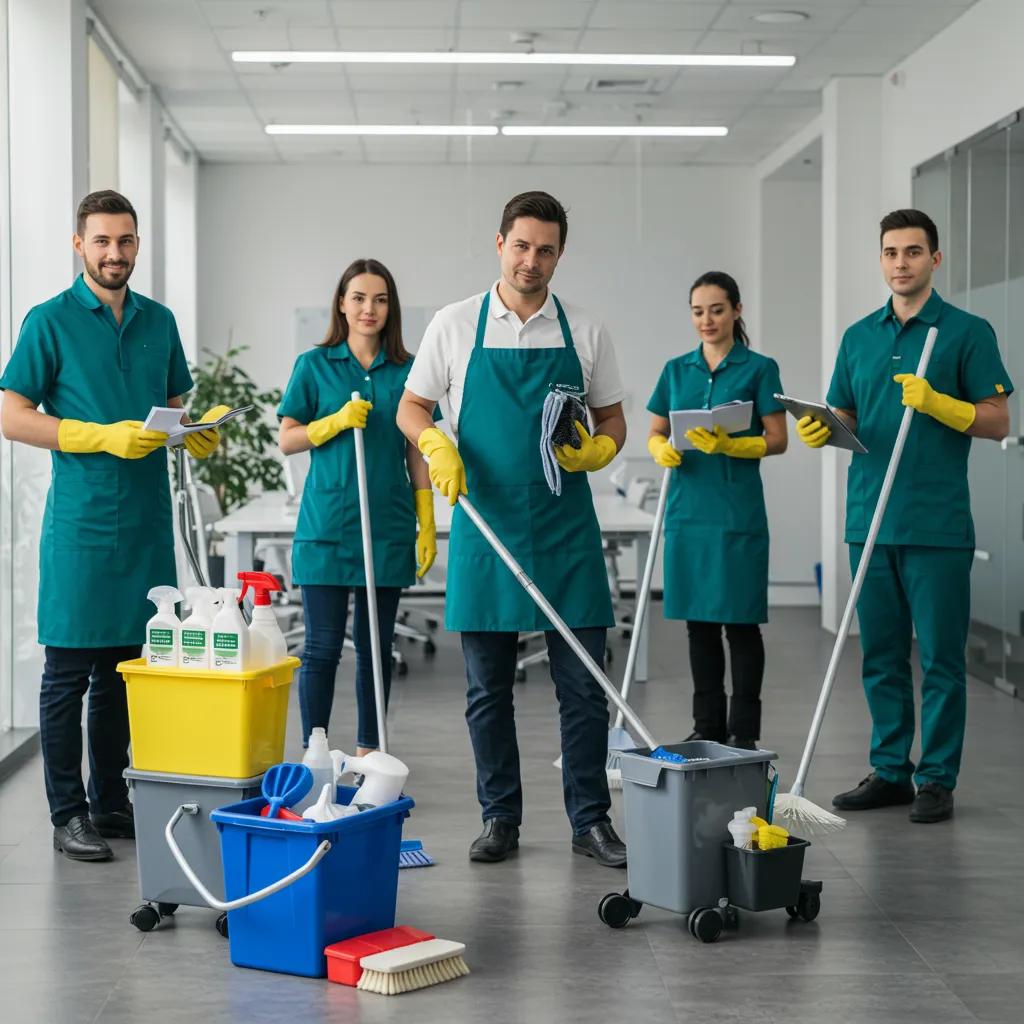
Freedom Cleaning Solutions employs a certified workforce and integrates credential standards into every commercial contract, translating recognized credentials into measurable client outcomes. The company’s certified team continually participates in training updates for ISSA CIMS, GBAC STAR protocols, Green Seal practices, and OSHA safety programs. This ongoing education ensures the latest methods reach each facility, sustaining high levels of service consistency. By embedding certifications into operational workflows, the company delivers transparent performance reporting, enabling clients to track quality metrics and safety compliance in real time.
What Certifications Does Our Team Hold and How Are They Trained?
Our cleaning professionals hold credentials in ISSA CIMS, GBAC STAR, Green Seal, and OSHA safety, ensuring comprehensive expertise across management, sustainability, infection prevention, and workplace safety. Each team member completes structured onboarding, monthly competency assessments, and annual recertification to maintain up-to-date knowledge of evolving protocols. Training includes hands-on equipment instruction, product handling techniques, disinfection chemistry, and emergency response drills. This deliberate training regimen creates a highly skilled workforce capable of adapting to diverse facility demands.
How Do Our Certifications Benefit Your Business Operations?
Certified credentials enhance facility operations by reducing downtime, minimizing compliance risk, and elevating occupant satisfaction. Clients report a 35 percent decrease in complaint logs after transitioning to our ISSA CIMS-managed services and a 50 percent reduction in reported safety incidents with OSHA-trained staff. Green Seal protocols have led to a 20 percent decrease in product waste, while GBAC STAR processes have improved post-infection clearance times by over 40 percent. These quantifiable outcomes demonstrate how certification-driven practices streamline workflows, lower operational costs, and support healthier, more sustainable environments.
What Are the Benefits of Hiring a Certified Commercial Cleaning Company?
Engaging a certified cleaning company delivers immediate and long-term advantages in trust, compliance, risk mitigation, and efficiency. Certified partners bring proven methodologies that minimize operational disruptions and maintain consistent standards, freeing management to focus on core business functions. External audits and credential renewals drive continuous improvement, while documented procedures support insurance requirements and legal defense. Over time, facilities experience lower maintenance expenses, improved occupant health metrics, and stronger brand reputations that translate into higher tenant retention and positive public perception.
How Do Certified Services Improve Client Trust and Satisfaction?
Certified services improve trust by providing verifiable credentials and transparent reporting on quality metrics. Clients access audit summaries, cleaning logs, and inspection checklists that confirm adherence to credential standards. This visibility reassures tenants, regulators, and stakeholders that facilities meet or exceed industry benchmarks. High satisfaction scores often follow certified engagements, as evidenced by client surveys showing a 90 percent rating of “excellent” in certified sites versus 65 percent in non-certified sites. This positive experience strengthens relationships and drives contract renewals.
In What Ways Do Certifications Reduce Liability and Ensure Compliance?
Certifications reduce liability by embedding regulatory requirements into everyday procedures and maintaining thorough documentation. OSHA training prevents workplace injuries and communicates hazard protocols, while GBAC STAR accreditation demonstrates rigorous infection controls that mitigate health risks. In the event of an incident, credential records and audit reports provide clear evidence of due diligence and adherence to recognized standards. This documentation supports legal defense, lowers insurance premiums, and prevents costly fines. Certified processes systematically address compliance gaps before they escalate into major liabilities.
How Do Certifications Enhance Operational Efficiency and Quality?
Certifications optimize efficiency by streamlining workflows through standardized checklists, performance benchmarks, and continuous improvement cycles. ISSA CIMS guidelines enforce regular reviews of staffing levels, supply inventories, and performance metrics to eliminate waste and bottlenecks. Green Seal protocols reduce chemical and resource consumption, lowering costs and environmental impact. OSHA-driven safety procedures minimize downtime from incidents and ensure faster issue resolution. Together, these credential-based systems foster a culture of excellence that elevates both service quality and operational productivity.
How Can Businesses Choose the Right Cleaning Certifications for Their Needs?
Selecting the right certifications requires evaluating facility type, regulatory environment, sustainability goals, and risk profile. Businesses should assess which credentials align with their core priorities—whether infection prevention for healthcare, green cleaning for environmentally conscious campuses, or safety training for industrial sites. A gap analysis of current cleaning protocols against credential frameworks helps identify the most impactful standards. By matching credential requirements to operational challenges, organizations can develop a targeted certification strategy that maximizes return on investment and addresses critical facility risks.
What Factors Should Be Considered When Selecting Certifications?
Key factors include industry regulations, facility usage patterns, occupant health concerns, corporate sustainability objectives, and budget constraints. Regulatory factors determine mandatory credentials such as OSHA or medical sterilization standards. Usage patterns highlight infection control needs in high-traffic areas. Health concerns inform GBAC STAR accreditation for pathogen mitigation. Sustainability goals drive Green Seal or LEED-aligned credentials. Budget constraints influence phased credential adoption, starting with the highest-impact certifications. Evaluating these criteria guides a balanced approach that supports comprehensive facility care.
How Do Different Certifications Align with Specific Commercial Sectors?
Different sectors prioritize credentials that address their unique risk profiles and compliance demands. Healthcare facilities often require medical cleaning accreditations and GBAC STAR protocols to control infections. Educational institutions focus on Green Seal for eco-friendly cleaning and ISSA CIMS for management consistency. Corporate offices emphasize OSHA training to protect staff and reduce liability, while retail stores may adopt CIMS-GB to support LEED certification and promote sustainability. Understanding each sector’s operational drivers enables businesses to choose credentials that yield the greatest facility performance benefits.
What Is the Certification Process and How Long Does It Take?
Certification processes vary by credential but typically involve documentation review, staff training, on-site audits, and corrective action plans. ISSA CIMS certification can take three to six months, including policy development, system implementation, and the audit cycle. Green Seal accreditation often requires two to four months of product verification and procedural alignment. GBAC STAR accreditation involves a two-stage audit over eight to twelve weeks, focusing on risk assessments and protocol testing. OSHA training credentials can be completed in days to weeks, depending on course depth and scheduling. Clear timelines allow businesses to plan credential rollouts efficiently.
What Are the Latest Trends and Market Insights in Commercial Cleaning Certifications?
As of late 2025, the commercial cleaning industry in Central Florida shows strong growth in certified services driven by health, sustainability, and regulatory demands. The regional market for cleaning certifications is expanding by an estimated 7 percent annually, fueled by increased facility outsourcing and post-pandemic safety priorities. Green cleaning credentials capture a growing share of contracts as companies pursue environmental responsibility. Infection control accreditations such as GBAC STAR remain in high demand for healthcare, hospitality, and transportation sectors. This trend underscores the value of certified expertise in maintaining facility resilience and occupant confidence.
How Is the Demand for Certified Cleaning Services Growing in Central Florida?
Regional demand for certified services in Central Florida has increased by over 15 percent since 2023, driven by heightened health awareness and corporate sustainability initiatives. Office parks and healthcare campuses require documented infection prevention and environmental standards to secure tenant agreements and public trust. Educational institutions adopt eco-friendly credentials to meet student wellness goals. Government buildings enforce OSHA-aligned safety standards to comply with public procurement requirements. This surge in certification demand positions certified providers as indispensable partners for local organizations.
Why Is Green Cleaning Certification Becoming a Competitive Advantage?
Green cleaning certification is becoming a competitive advantage because clients and stakeholders prioritize environmental stewardship alongside sanitation. Facilities that showcase Green Seal or comparable credentials differentiate themselves in sustainability reporting and community engagement. Green credentials also support broader corporate carbon reduction and ESG goals, helping organizations secure green financing and investor confidence. Vendors offering certified eco-friendly cleaning attract environmentally conscious tenants and customers, driving lease renewals and community goodwill in Central Florida’s sustainability-focused market.
How Are Health and Safety Concerns Driving Certification Adoption?
Heightened health and safety concerns, particularly after global health events, have accelerated adoption of infection-control and safety credentials across all sectors. GBAC STAR accreditation is now a baseline requirement for healthcare and event venues, while OSHA training is mandatory for high-risk industrial sites. Regional businesses recognize that certified protocols reduce operational disruptions from outbreaks or incidents. This focus on credentialed expertise safeguards both public health and business continuity, reinforcing the critical role of certifications in facility management strategies.
What Common Questions Do Businesses Have About Cleaning Certifications?
What Are the Different Types of Commercial Cleaning Certifications?
Commercial cleaning certifications fall into five categories: management systems like ISSA CIMS; eco-friendly credentials such as Green Seal; infection-control programs like GBAC STAR; safety training under OSHA; and specialized medical cleaning certifications. Each type addresses distinct facility priorities, from quality assurance and sustainability to pathogen mitigation and regulatory compliance.
Why Should a Business Hire a Certified Cleaning Company?
Hiring a certified cleaning company ensures standardized processes, documented quality assurance, and compliance with health, safety, and environmental regulations. Certified providers reduce liability, improve operational efficiency, and foster client trust through transparent performance metrics and independently verified credentials.
What Is the ISSA CIMS Certification?
ISSA CIMS (Cleaning Industry Management Standard) certification is a credential issued by the International Sanitary Supply Association that evaluates a company’s management systems, operations, quality control, and training. It requires documented policies, performance audits, and customer satisfaction procedures, establishing consistent service excellence.
What Is Green Seal Certification?
Green Seal certification is an eco-friendly credential that sets rigorous environmental and health standards for cleaning products and services. It ensures non-toxic product use, resource conservation, and waste-reduction strategies, promoting sustainable cleaning practices in facilities.
What Is GBAC STAR Accreditation?
GBAC STAR accreditation, administered by the Global Biorisk Advisory Council, is a performance-based program for cleaning and disinfection protocols focused on controlling infectious disease risks. It validates documented risk assessments, disinfection methods, and emergency response planning to ensure pathogen mitigation.
What Certifications Are Needed for Medical Facility Cleaning?
Medical facility cleaning requires specialized certifications such as AHE or IJCSA credentials, which cover terminal disinfection, sterile processing, and biohazard waste management. These accreditations align with CDC guidelines and hospital accreditation standards, ensuring patient safety and regulatory compliance.
Certified commercial cleaning credentials empower businesses in Central Florida to elevate quality, safety, and sustainable practices. Partnering with Freedom Cleaning Solutions’ certified team delivers proven management systems, eco-friendly protocols, infection-control expertise, and workplace safety training that translate into operational resilience and enhanced reputation.