
Janitorial Services vs. Commercial Cleaning: Understanding the Key Differences and Choosing the Right Option for Your Business
Businesses in Central Florida often struggle to decide between routine janitorial services and more intensive commercial cleaning options. Confusion around scope, frequency, cost, and compliance can lead to unsatisfactory results or wasted budgets. This guide clarifies the distinctions between janitorial maintenance and specialized commercial cleaning, outlines when each approach is most effective, and explains how Freedom Cleaning Solutions tailors both services for offices, medical facilities, schools, retail stores, government buildings, religious centers, and industrial sites. You will learn:
- What tasks and benefits define janitorial services
- How commercial cleaning diverges in scope and intensity
- Key decision criteria for selecting the right service
- Ways to combine routine and deep cleaning for maximum value
- How local expertise and green protocols ensure reliability and safety
What Are Janitorial Services?
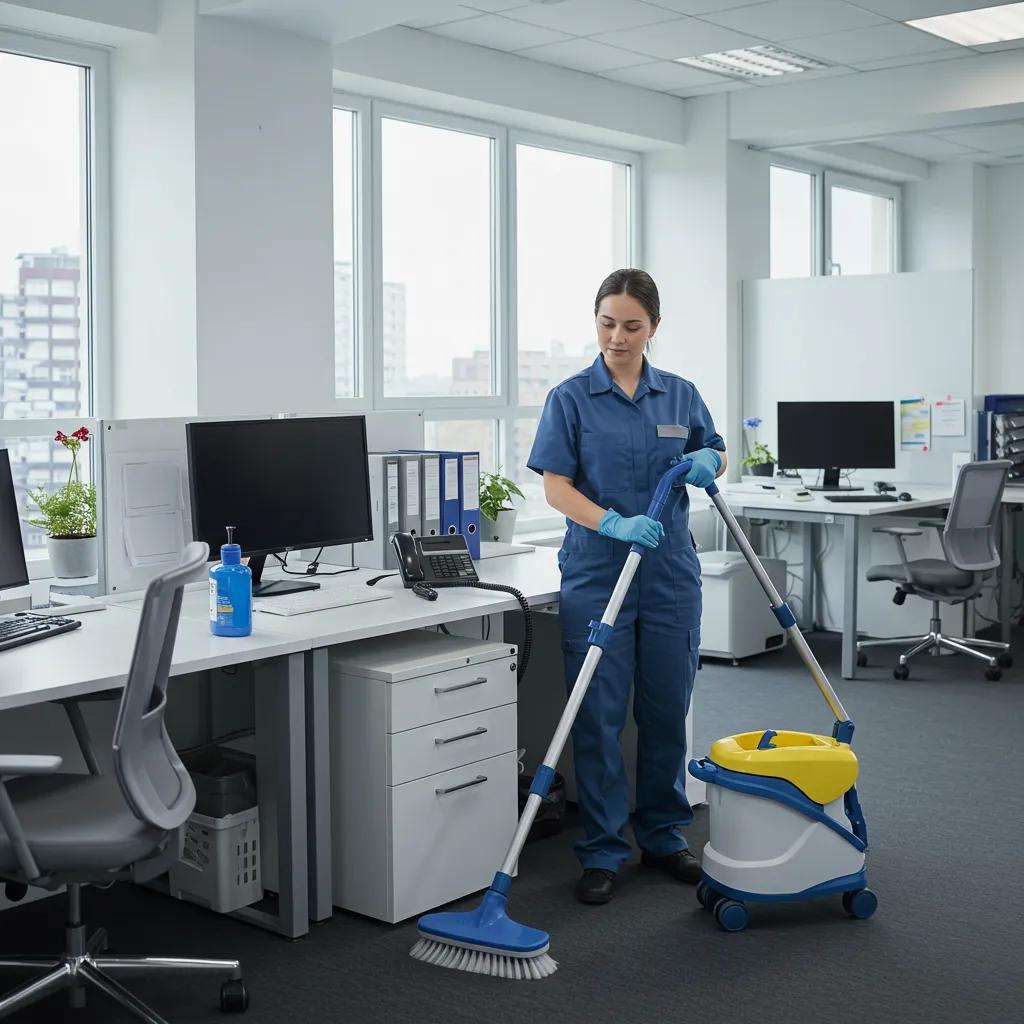
Janitorial services provide routine cleaning and facility upkeep through trained staff who perform day-to-day maintenance tasks that support workplace hygiene and presentation. By focusing on high-traffic areas and visible surfaces, janitorial cleaning promotes a consistent professional appearance and helps prevent dirt buildup that can escalate into more intensive cleaning needs.
What Tasks Are Included in Routine Janitorial Cleaning?
The following list describes common janitorial tasks that maintain daily workplace standards.
- Emptying waste receptacles and replacing liners to prevent odors
- Sanitizing restrooms, including fixtures and surfaces, for basic hygiene
- Dusting furniture, countertops, and ledges to control allergens
- Vacuuming carpets and floor mopping to remove debris and spills
- Cleaning glass doors and interior windows for clear visibility
These routine tasks ensure facilities remain presentable each day and lay the foundation for deeper cleaning cycles.
The foundational elements of janitorial work are crucial for maintaining a baseline level of cleanliness and safety in any facility.
Understanding Janitorial Services: Scope, Health, and Compliance
Every day, millions of square feet of buildings are cleaned, disinfected, and maintained by a workforce that operates largely behind the scenes. Janitorial professionals are the unacknowledged backbone of modern facilities—responsible not only for basic cleanliness but also for safeguarding public health, preventing infection, and supporting environmental goals. Despite their essential role, their contributions are often undervalued and misunderstood.
The work is physically demanding, organizationally complex, and deeply intertwined with issues of labor structure, training, and compliance. From office towers to hospitals, schools to informal settlements, janitorial services intersect with everything from ergonomics to environmental law. Yet most conversations about workplace safety, sustainability, or service quality rarely include them.
To create truly clean, healthy, and high-performing environments, it’s time to examine what janitorial services do, the systems that support or fail them, and how to make them more effective, safer, and sustainable.
Janitorial work is more than mopping floors and emptying trash bins.It’s a structured set of cleaning and maintenance tasks that ensure buildings remain safe, sanitary, and operational. The scope varies by industry but typically includes:
What Are Janitorial Services? A Complete Overview
How Often Are Janitorial Services Typically Scheduled?
Janitorial services are most often scheduled on a daily or multiple-times-per-week basis, with frequency adjusted according to business size and foot traffic. High-density offices may require after-hour visits five nights a week, while smaller retail outlets might use twice-weekly cleanings. Consistent scheduling prevents accumulation of dirt and supports a healthy environment.
Establishing a consistent schedule is paramount for effective janitorial maintenance, preventing the buildup of dirt and ensuring a healthy environment.
Janitorial Service Checklists: Daily, Weekly, Monthly Tasks for Facility Maintenance
Clean, well-maintained facilities support more than just appearances—they reduce the spread of illness, extend the life of assets, and help businesses meet safety and compliance standards. But effective cleaning doesn’t happen by accident. It requires a methodical approach that breaks tasks down by urgency, frequency, and intensity.
Janitorial checklists help ensure nothing is overlooked. By organizing tasks into daily, weekly, and monthly routines, teams can work more efficiently while preventing wear and tear on both facilities and staff. This approach also makes it easier to assign responsibilities, monitor progress, and adjust workflows as conditions change.
The key is clarity: know what needs to be done, how often, and by whom. A time-based checklist keeps cleaning operations structured and repeatable—making professional results possible every day.
Daily cleaning tasks form the foundation of a healthy and professional facility. These high-frequency duties target the most commonly used areas and help prevent the buildup of grime, bacteria, and odors. Prioritizing consistency at this level reduces long-term maintenance costs and supports a safe environment for employees and visitors.
Daily janitorial work emphasizes speed, repetition, and hygiene. When performed consistently, it sets the tone for everything else that follows.
Janitorial Services Checklist: Daily, Weekly, and Monthly Tasks
What Types of Businesses Benefit Most from Janitorial Services?
Organizations with steady occupancy levels see the greatest value from routine maintenance. Offices, retail stores, educational campuses, places of worship and small medical clinics all rely on janitorial teams to maintain cleanliness without disrupting daily operations. Government offices and professional service providers also take advantage of regular upkeep to preserve a professional atmosphere.
What Are the Benefits of Regular Janitorial Care for Businesses?
Routine janitorial care delivers multiple operational advantages:
- Improves indoor air quality through dust and allergen control
- Enhances employee morale by providing a tidy work environment
- Strengthens first impressions for clients and visitors
- Reduces long-term maintenance costs by preventing stain and wear
- Supports basic health protocols by minimizing germ hotspots
Consistent care maximizes the lifespan of furnishings and flooring while reinforcing a culture of cleanliness and safety.
What Is Commercial Cleaning and How Does It Differ from Janitorial Services?
Commercial cleaning encompasses specialized, less frequent procedures that target hard-to-reach areas, deep surfaces, and specific compliance requirements using advanced equipment and disinfectants. Unlike daily janitorial tasks, commercial cleaning projects focus on comprehensive sanitation, regulatory standards, and asset preservation.
What Specialized Tasks Are Included in Commercial Cleaning?
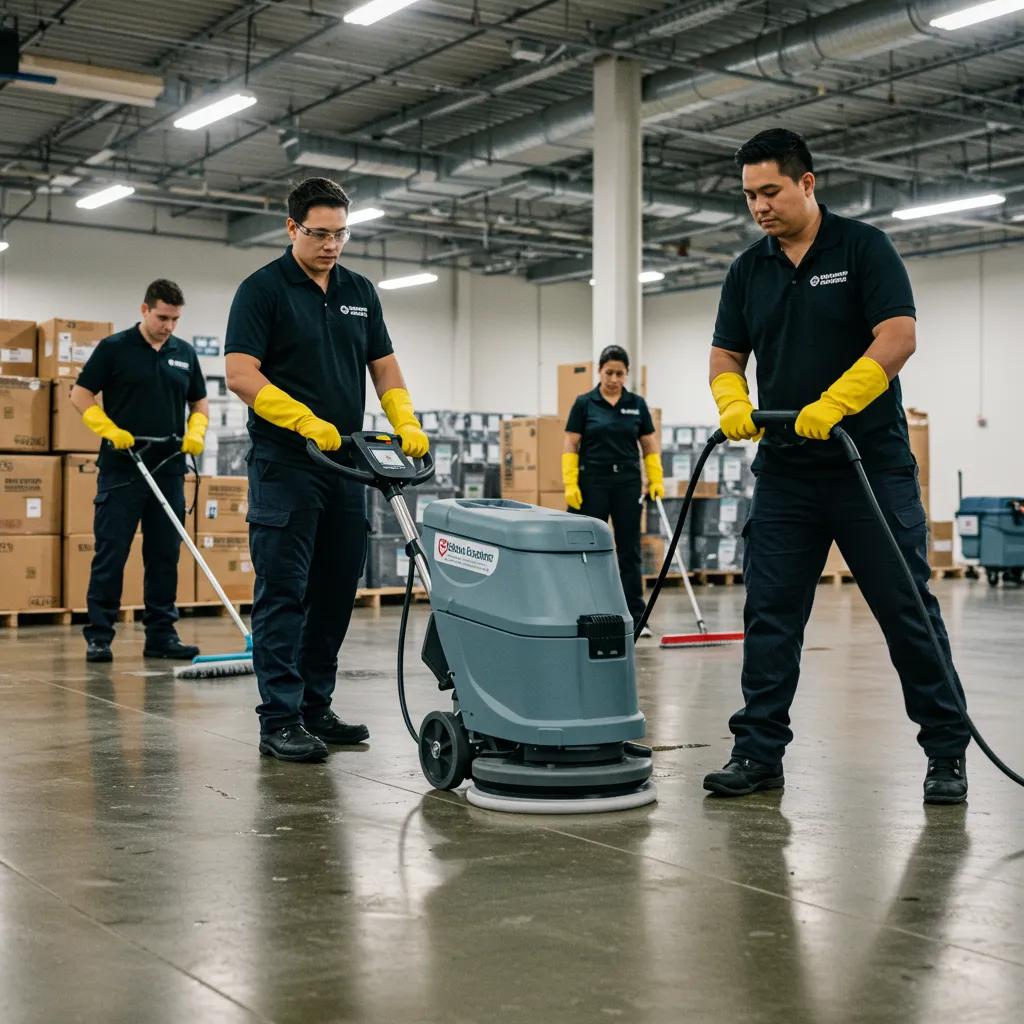
Commercial cleaning often includes tasks beyond routine maintenance, such as:
- Deep carpet extraction to remove embedded contaminants
- Floor stripping, waxing, polishing, and sealing for lasting protection
- High-level dusting of vents, light fixtures, and overhead structures
- Disinfection of critical zones with hospital-grade solutions
- Pressure washing of exteriors, loading docks, and parking lots
These services restore surfaces to near-new condition and meet strict health or safety mandates.
How Frequently Are Commercial Cleaning Services Performed?
Specialized cleaning schedules vary by need: monthly deep carpet cleaning, quarterly floor refinishing, or annual exterior power-washes. Post-construction or seasonal turnover often triggers one-off commercial cleanings. Frequency is determined by industry regulations, facility usage, and desired appearance standards.
Which Business Environments Require Commercial Cleaning?
Environments with higher sanitation or durability demands rely on commercial cleaning:
- Medical facilities and dental offices subject to infection-control standards
- Industrial warehouses exposed to heavy machinery residue
- Restaurants and food processing areas governed by health codes
- Construction sites and make-ready properties requiring post-build cleanup
- Data centers and labs where particle removal is critical
What Are the Advantages of Specialized Commercial Cleaning?
Engaging commercial cleaning yields strategic benefits:
- Meets industry-specific compliance and accreditation requirements
- Extends the life of flooring, carpets, and equipment through deep care
- Eliminates disease vectors with thorough disinfection protocols
- Utilizes professional-grade equipment for superior results
- Reduces liability by adhering to safety standards and certifications
These advantages translate into healthier workspaces, lower capital replacement costs, and regulatory peace of mind.
What Are the Key Differences Between Janitorial Services and Commercial Cleaning?

Organizations make informed choices when they understand how scope, frequency, intensity, and cost diverge between routine maintenance and specialized deep cleaning. The table below compares core attributes side by side.
This comparison underscores that janitorial care sustains daily cleanliness, while commercial cleaning addresses deeper sanitation and asset care on a scheduled or event-driven basis.
How Do Scope, Frequency, and Intensity Compare?
Scope broadens from surface tasks in janitorial services to intensive procedures in commercial cleaning. Frequency shifts from daily attention to scheduled deep-clean cycles. Intensity increases as commercial cleaning employs stronger products and equipment to penetrate soils and protect investments.
What Equipment and Training Distinguish Each Service?
Janitorial teams rely on standard cleaning tools and basic safety training. Commercial cleaning crews require specialized machines—such as floor buffers and high-pressure washers—and advanced certifications in chemical handling, infection control, and equipment operation to ensure effective, compliant results.
How Do Cost Models Differ Between Janitorial and Commercial Cleaning?
Routine janitorial services typically bill a predictable monthly retainer based on frequency and facility size. Commercial cleaning often uses project pricing or per-square-foot rates reflecting the labor-intensity and equipment costs of deep-clean operations. Budget planners should account for both ongoing maintenance and periodic deep-clean investments.
When Is Deep Cleaning Necessary Within Commercial Cleaning?
Deep cleaning becomes essential when routine maintenance can no longer remove embedded soils, when preparing for regulatory inspections, or after major events like renovations. Conditions such as stubborn stains, odor control, and compliance audits signal the need for intensive commercial cleaning protocols.
When Should Businesses Choose Janitorial Services vs. Commercial Cleaning?
Selecting the right approach depends on operational needs, compliance requirements, and budget goals. Understanding scenarios where each service shines helps avoid over- or under-investing in facility care.
In What Situations Are Janitorial Services Sufficient?
Janitorial services excel for daily upkeep in stable occupancy settings. Office lobbies, retail showrooms, and school hallways benefit from consistent trash removal, dust control, and surface cleaning to maintain a polished look and basic hygiene.
When Is Commercial Cleaning Essential for Business Operations?
Businesses subject to health-code inspections, heavy-traffic industrial sites, and post-construction environments require commercial cleaning. Specialized tasks such as floor refinishing, deep carpet sanitation, and exterior washing become critical to meet safety standards and project readiness.
What Are the Benefits of Combining Janitorial and Commercial Cleaning Services?
An integrated approach leverages the strengths of both services: daily janitorial care prevents surface-level soil buildup, while periodic commercial cleaning restores deep cleanliness and asset integrity. This combination ensures ongoing facility appeal, optimizes lifecycle costs, and upholds stringent health requirements.
How Does Freedom Cleaning Solutions Tailor Janitorial and Commercial Cleaning Services for Central Florida Businesses?
Freedom Cleaning Solutions applies local expertise to customize both routine and specialized cleaning plans for diverse facility types. By aligning service frequency and methods with each client’s operational demands, the company delivers reliable outcomes and measurable value.
What Customized Cleaning Solutions Are Offered for Different Industries?
- Medical-grade disinfection and waste management for clinics and hospitals
- Educational facility maintenance with flexible after-hours scheduling
- Retail floor care and window polishing to enhance storefront appeal
- Industrial degreasing and pressure washing for manufacturing sites
- Post-construction make-ready cleaning to expedite occupancy
How Does Freedom Cleaning Ensure Professionalism and Reliability?
Professionalism is built on:
- Rigorous staff training and background verification
- Consistent quality inspections and real-time feedback loops
- Certified adherence to safety and sanitation standards
- Dedicated account management and transparent reporting
What Health and Safety Practices Are Prioritized, Including Green Cleaning?
Safety protocols emphasize:
- EPA-approved disinfectants and hospital-grade sanitizers
- Eco-friendly cleaning agents that reduce chemical exposure
- OSHA-compliant procedures for hazardous area handling
- Green cleaning certifications to support indoor air quality
- Detailed SOPs that balance thoroughness with environmental responsibility
What Are Common Questions About Janitorial Services vs. Commercial Cleaning?
Business leaders frequently wonder how service scope impacts operational efficiency, what schedule aligns with traffic patterns, and which procedures satisfy compliance mandates. They also ask how combining routine and deep-clean services can optimize budgets, reduce liability, and support long-term asset preservation. Addressing these concerns upfront equips decision makers with the clarity needed to select the right cleaning strategy for their facility type and industry standards.
How Can Businesses Maximize Value from Commercial Cleaning Options?
Achieving the best return involves aligning cleaning investments with business outcomes such as employee health, cost control, and asset longevity. Strategic choices around service bundles, scheduling, and method selection drive measurable benefits.
How Do Clean Workspaces Improve Employee Health and Productivity?
Clean environments reduce illness by removing pathogens, leading to fewer sick days and higher morale. Well-maintained floors and air-filtered systems create safer work zones. Organized spaces foster focus, reduce stress, and signal managerial commitment to staff well-being.
What Cost-Effective Cleaning Strategies Should Businesses Consider?
Businesses can lower costs by:
- Bundling routine and periodic services under one provider
- Implementing preventative maintenance plans to avoid costly repairs
- Opting for green cleaning to reduce waste and chemical expenses
- Scheduling off-peak cleanings to minimize downtime
- Tracking cleaning metrics to refine frequency and scope
These tactics balance quality with budget discipline.
How Does Specialized Cleaning Extend the Life of Facility Assets?
Deep-clean procedures protect high-investment surfaces. For example, regular floor refinishing preserves sealants and prevents scratches, while professional carpet extraction removes grit that wears fibers. Disinfection services safeguard machinery from corrosive residue, ensuring operational reliability and asset value retention.
Routine janitorial work keeps day-to-day operations running smoothly, while targeted commercial cleaning delivers the deep hygiene and compliance standards modern businesses demand. By understanding the distinct roles, frequencies, and cost models of each service category, organizations in Central Florida can craft a customized facility care plan that optimizes appearance, health, and long-term savings. Freedom Cleaning Solutions stands ready to assess your unique needs, recommend the ideal mix of routine and specialized cleaning, and deliver reliable, professional results that support your business goals. Contact their expert team today to receive a tailored proposal and experience the difference of integrated commercial cleaning solutions.