Professional Janitorial Cleaning Routine: What Is the Proper Sequence of Tasks for Effective Commercial Cleaning?

A well-structured janitorial cleaning routine is essential for maintaining cleanliness and hygiene in commercial spaces. This article will explore the proper sequence of tasks involved in a professional janitorial cleaning routine, emphasizing the importance of each step. Many facilities struggle with maintaining a consistent level of cleanliness, which can lead to health concerns and decreased employee morale. By following a systematic approach, businesses can ensure a clean and safe environment for employees and visitors alike. We will cover essential daily tasks, the integration of weekly and monthly cleaning schedules, and how to customize cleaning routines for specific industries.
What Are the Essential Daily Tasks in a Professional Janitorial Cleaning Sequence?
The essential daily tasks in a professional janitorial cleaning sequence include:
- Monitoring restroom cleanliness and appearance.
- Maintaining clean entryways, hallways, and high-traffic areas.
- Providing on-call support for last-minute messes or emergencies.
- Restocking restrooms with paper products and soap.
- Emptying trash and recycling bins.
- Cleaning up spills and litter in real-time.
- Disinfecting high-touch areas (doorknobs, railings, counters, etc.).
These tasks ensure a consistent level of cleanliness and hygiene in facilities.
How Should Trash Removal and Waste Management Be Performed?
Trash removal and waste management should be performed through a structured approach that includes:
- Pre-Event Preparation: Set up waste bins and ensure the venue is clean and ready before guests arrive.
- During-Event Maintenance: Employ trained porters to: Empty trash and recycling bins regularly.Clean up spills and litter in real-time.Monitor and restock restroom supplies.Maintain cleanliness in high-traffic areas.
- Post-Event Clean-Up: After the event, efficiently remove all trash and debris, clean and sanitize restrooms, and restore the venue to its original condition.
This process ensures cleanliness and organization throughout the event lifecycle.
What Is the Correct Order for High-Touch Surface Disinfection?

The correct order for high-touch surface disinfection involves several key steps to ensure thorough cleaning. First, surfaces should be cleaned to remove visible dirt and debris. Next, a suitable disinfectant should be applied, focusing on areas such as doorknobs, light switches, and shared equipment. Allow the disinfectant to sit for the recommended contact time before wiping it away or allowing it to air dry, depending on the product instructions. This method effectively reduces the risk of germ transmission in high-traffic areas.
How Do Weekly and Monthly Cleaning Tasks Fit into the Commercial Cleaning Process Steps?
Weekly and monthly cleaning tasks are integral to maintaining a clean environment, complementing daily routines. These tasks often include deep cleaning carpets, sanitizing restrooms, and polishing floors. Scheduling these tasks ensures that areas receive the attention they need to remain hygienic and presentable.
What Are the Procedures for Deep Cleaning Carpets and Floors?
Deep cleaning carpets and floors involves several steps:
- Vacuuming: Thoroughly vacuum carpets to remove loose dirt and debris.
- Spot Treatment: Address stains with appropriate cleaning solutions.
- Shampooing or Steam Cleaning: Use a carpet cleaner or steam cleaner to deep clean the fibers.
- Drying: Allow carpets to dry completely to prevent mold growth.
These procedures help maintain the appearance and longevity of flooring materials.

How Should Restroom Deep Cleaning and Sanitization Be Scheduled?
Restroom deep cleaning and sanitization should be scheduled as part of routine maintenance, with more intensive cleaning performed weekly or monthly depending on facility usage. For event venues, it is appropriate to include pre-event cleaning to prepare the space before guests arrive, during-event porter services to maintain cleanliness in real-time, and post-event clean-up to restore the space after the event. It is recommended to book cleaning services at least 2–4 weeks in advance for larger events, but last-minute requests can be accommodated based on availability.
What Is the Recommended Sequence for Cleaning Different Facility Areas in Janitorial Services?
The recommended sequence for cleaning different facility areas involves a systematic approach tailored to the specific needs of each space. This ensures that all areas are cleaned effectively and efficiently.
How to Optimize Office Cleaning Workflow and Task Order?
To optimize office cleaning workflow and task order, consider the following strategies:
- Customized Scheduling: Implement tailored cleaning schedules that align with office hours to minimize disruption and enhance employee satisfaction.
- Standardized Checklists: Use standardized cleaning checklists to define the scope of work clearly, ensuring consistency and thoroughness in cleaning tasks.
- Dedicated Points of Contact: Assign dedicated contacts for rapid issue resolution, improving communication and responsiveness to cleaning needs.
- Routine Inspections and QA: Conduct routine supervisory inspections and utilize electronic checklists to maintain quality control and ensure adherence to cleaning protocols.
- Feedback Loops: Establish regular performance reviews and client feedback mechanisms to continuously improve services and adapt to evolving client expectations.
- Documentation and Reporting: Maintain documented procedures and predictable reporting to create an auditable trail of cleaning actions, enhancing trust and accountability.
By integrating these elements, you can create a more efficient and effective office cleaning workflow that meets the needs of both the facility and its occupants.
What Are the Best Practices for Cleaning Breakrooms and High-Traffic Areas?
The best practices for cleaning breakrooms and high-traffic areas include:
- Maintaining Cleanliness: Regularly monitor and clean entryways, hallways, and high-traffic areas to ensure they remain tidy and presentable.
- Restroom Maintenance: Keep restrooms clean and well-stocked with paper products and soap, and monitor their cleanliness throughout the day.
- Real-Time Support: Provide on-call support for last-minute messes or emergencies to address spills and litter as they occur.
- Disinfecting High-Touch Areas: Focus on disinfecting high-touch areas such as doorknobs, railings, and counters to reduce germ transmission.
- Scheduled Deep Cleaning: Implement structured deep-clean schedules to enhance overall cleanliness and appearance, which can improve stakeholder trust and satisfaction.
- Use of Eco-Friendly Options: Consider using green cleaning solutions that are safe for both people and the environment.
These practices help maintain a clean and safe environment in breakrooms and high-traffic areas.
How Can Janitorial Cleaning Routines Be Customized for Specific Industries in Orlando?
Janitorial cleaning routines can be customized for specific industries in Orlando by tailoring services to meet the unique needs of each sector. For example, Freedom Cleaning Solutions offers specialized cleaning for various environments, including theme parks, office buildings, and warehouses. Their services can be adjusted based on the size, type, and timeline of events, ensuring that the cleaning approach aligns with the specific requirements of different industries. This includes pre-event cleaning, during-event porter services, and post-event clean-up, all of which can be scaled and modified to fit the client’s budget and schedule.
What Is the Proper Cleaning Sequence for Medical Facilities?
Cleaning protocols specific to medical facilities require strict adherence to hygiene standards. This includes using hospital-grade disinfectants, ensuring that all surfaces are sanitized, and following a specific sequence to prevent cross-contamination. Typically, cleaning proceeds from the cleanest to the dirtiest areas, and from higher to lower surfaces, to avoid recontamination. Regular training for cleaning staff on these protocols is essential to maintain compliance with health regulations.
How Should Schools and Educational Facilities Be Cleaned Professionally?
Schools and educational facilities should be cleaned professionally by implementing structured deep-clean schedules and targeted maintenance plans that focus on reducing germ transmission and improving overall appearance. This includes regular inspections, standardized cleaning checklists, and routine supervisory oversight to ensure consistent quality. Additionally, cleaning solutions should balance safety and effectiveness while minimizing disruption during operating hours. Regular performance reviews and client feedback loops are essential for continuous improvement and alignment with evolving client expectations.
What Are the Benefits of Following a Structured Janitorial Cleaning Checklist for Offices?
The benefits of following a structured janitorial cleaning checklist for offices include:
Indeed, a methodical approach using janitorial checklists is crucial for ensuring comprehensive and efficient cleaning operations.
Janitorial Checklists for Effective Commercial Cleaning Routines
Clean, well-maintained facilities support more than just appearances—they reduce the spread of illness, extend the life of assets, and help businesses meet safety and compliance standards. But effective cleaning doesn’t happen by accident. It requires a methodical approach that breaks tasks down by urgency, frequency, and intensity. Janitorial checklists help ensure nothing is overlooked. By organizing tasks into daily, weekly, and monthly routines, teams can work more efficiently while preventing wear and tear on both facilities and staff. This approach also makes it easier to assign responsibilities, monitor progress, and adjust workflows as conditions change.
Janitorial Services Checklist: Daily, Weekly, and Monthly Tasks
- Consistency in Quality: Standardized checklists ensure that cleaning tasks are performed uniformly, leading to a baseline of cleanliness that stakeholders accept as standard practice.
- Reduced Complaints: Tailored schedules and checklists help minimize internal complaints about cleanliness, enhancing employee satisfaction and perception of the workplace.
- Operational Reliability: Clear documentation and protocols create a predictable cleaning routine, which can improve overall operational efficiency and reduce managerial overhead.
- Enhanced Trust: Routine disinfection and documented procedures build trust among employees and visitors, leading to higher satisfaction scores in facility surveys.
- Measurable Outcomes: Structured cleaning processes can lead to quantifiable improvements, such as reduced complaint counts and improved audit readiness, which are valuable for procurement decisions.
- Improved Employee Productivity: A clean and well-maintained environment can positively impact employee productivity and morale.
These benefits highlight the importance of a structured approach to janitorial services in maintaining a professional and healthy workplace.
How Does a Proper Task Sequence Improve Workplace Hygiene and Safety?
A proper task sequence improves workplace hygiene and safety by establishing consistent execution of cleaning protocols, which builds trust among employees and visitors. Routine disinfection creates a baseline of cleanliness that stakeholders accept as standard practice, reducing uncertainty and outbreak concerns. Additionally, documented procedures and predictable reporting enhance confidence in the cleaning process, leading to fewer complaints and improved employee satisfaction. This structured approach to cleaning not only maintains a professional appearance but also supports health and safety programs, ultimately contributing to a safer workplace environment.
In What Ways Does a Professional Cleaning Routine Enhance Brand Image and Employee Morale?
A professional cleaning routine enhances brand image and employee morale in several ways:
- Improved Workplace Appearance: A clean and well-maintained environment contributes to a more professional workplace appearance, which can positively influence how clients and visitors perceive the brand.
- Reduced Complaints: Customized cleaning schedules and consistent execution lead to fewer internal complaints about cleanliness, which can enhance employee satisfaction and morale.
- Enhanced Employee Perception of Cleanliness: Employees report improved perceptions of cleanliness, which can boost their overall morale and productivity.
- Trust and Confidence: Routine disinfection and documented cleaning protocols build trust among employees and visitors, contributing to a positive brand image.
- Alignment with Corporate Responsibility: Utilizing green cleaning products can enhance brand perception, especially for customer-facing businesses, by demonstrating a commitment to health and environmental safety.
Overall, these factors contribute to a more positive work environment and a stronger brand reputation.
How Do Eco-Friendly Practices Integrate into the Professional Janitorial Cleaning Sequence?
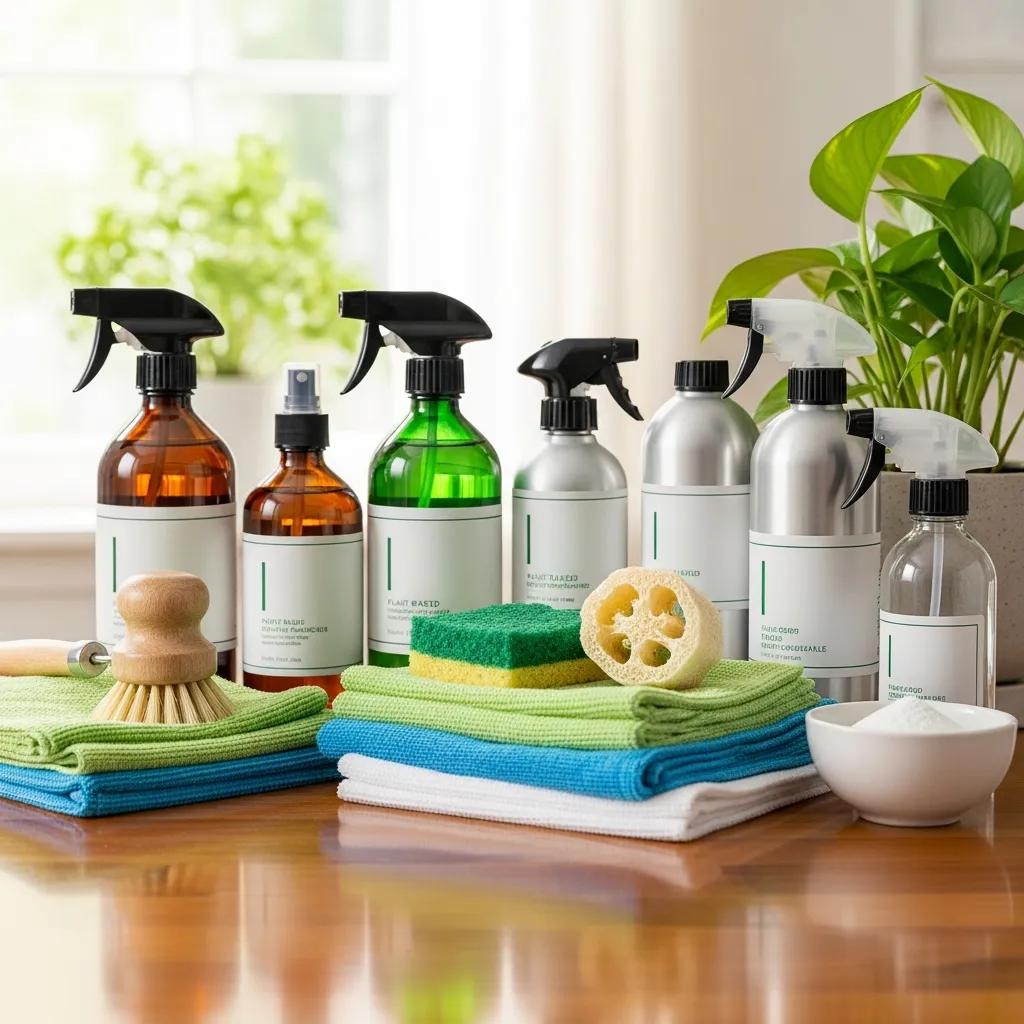
Eco-friendly practices integrate into the professional janitorial cleaning sequence by utilizing EPA-approved green products that prioritize health and environmental safety. Clients appreciate these practices for their reduced chemical odors and alignment with corporate sustainability goals. When eco-friendly options perform comparably to conventional cleaning methods, clients report increased satisfaction and improved workplace comfort. Additionally, the adoption of sustainable cleaning programs is linked to enhanced customer perception and compliance with environmental, social, and governance (ESG) commitments. Clear communication about the efficacy and expected outcomes of green products is essential to maintain client confidence and support procurement decisions.
What Are the Steps for Implementing Green Cleaning Products and Sustainable Methods?
Implementing green cleaning products and sustainable methods involves several key steps:
- Selection of Green Products: Choose EPA-approved cleaning supplies that are effective and safe for both users and the environment.
- Training Staff on Eco-Friendly Practices: Educate cleaning staff on the benefits and proper use of green products to ensure effective application.
- Monitoring Effectiveness of Green Cleaning: Regularly assess the performance of green cleaning methods to ensure they meet cleanliness standards and client expectations.
These steps help organizations transition to more sustainable cleaning practices while maintaining high standards of cleanliness.
How Does Using EPA-Approved Supplies Affect the Cleaning Routine?
Using EPA-approved supplies affects the cleaning routine by enhancing product safety, reducing chemical odors, and aligning with corporate sustainability goals. Clients who opt for these eco-friendly options expect comparable performance to conventional products, particularly in terms of stain removal and durability. When the performance matches, clients report increased satisfaction and improved workplace comfort. However, some clients are sensitive to price differences and require transparent cost-benefit analyses to maintain confidence in adopting these greener options. Overall, the use of EPA-approved products can lead to improved indoor air quality and a stronger brand perception, especially in customer-facing environments.