How Often Should Restaurants Schedule Deep Cleaning?
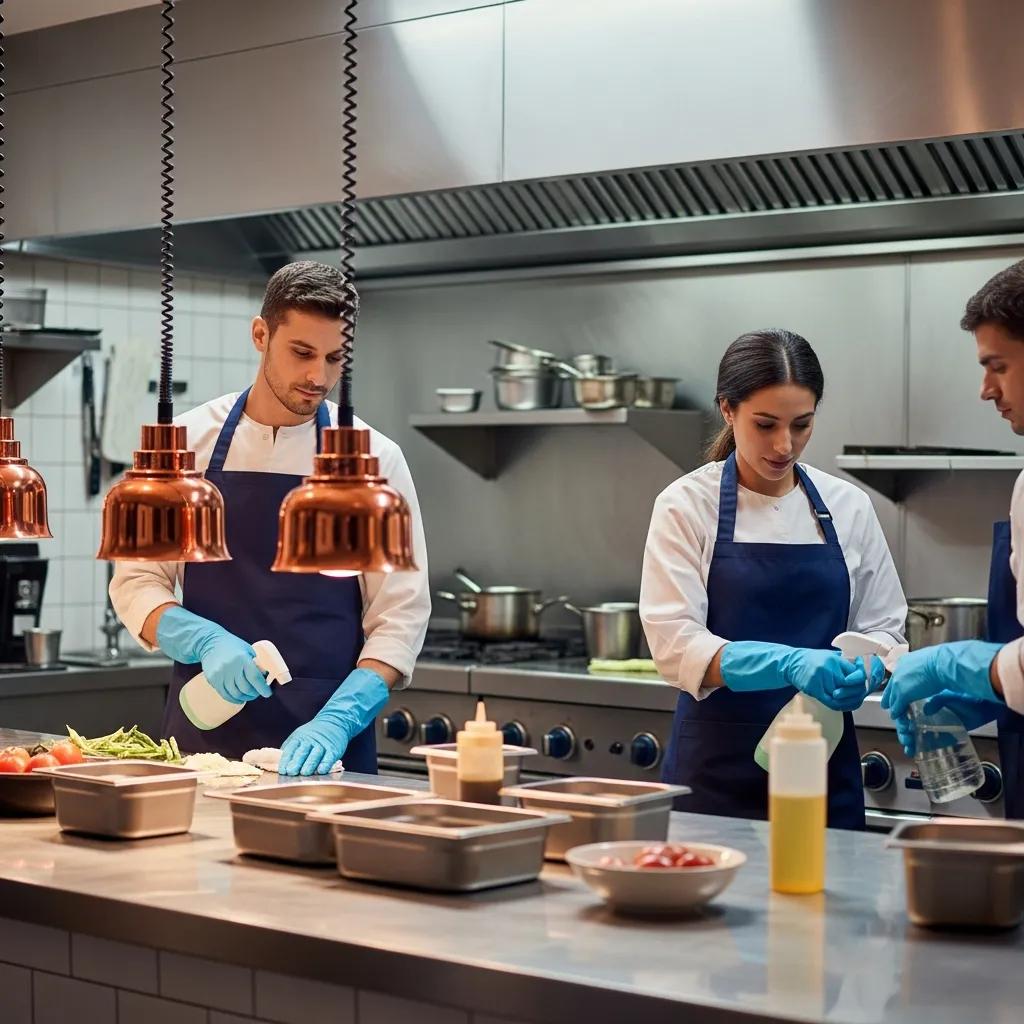
Maintaining a clean and sanitary environment is crucial for restaurants, not only for compliance with health regulations but also for ensuring customer safety and satisfaction. This comprehensive guide will explore the importance of deep cleaning in restaurants, the recommended frequency for such cleaning, and the specific areas that require attention. Readers will learn how often restaurants should schedule deep cleaning to meet health code compliance and prevent foodborne illnesses. The article will also discuss the benefits of hiring professional cleaning services and provide best practices for creating effective cleaning checklists.
Understanding the frequency of deep cleaning is essential for restaurant owners and managers to maintain a safe dining environment. This guide will cover the significance of deep cleaning, the recommended cleaning schedules, and the impact of health codes in Florida.
What Is Restaurant Deep Cleaning and Why Is It Essential?
Restaurant deep cleaning refers to a thorough cleaning process that goes beyond regular cleaning routines. It involves sanitizing all surfaces, equipment, and areas that may harbor bacteria and other pathogens. This process is essential for ensuring food safety and compliance with health codes, as it helps prevent foodborne illnesses and maintains a hygienic environment for both staff and customers.
Deep cleaning is crucial for several reasons. First, it ensures that all food preparation areas are free from contaminants, which is vital for preventing foodborne illnesses. Second, it helps restaurants comply with health regulations, which can vary by state and locality. Regular deep cleaning can also enhance the overall appearance of the restaurant, creating a more inviting atmosphere for customers.
How Does Deep Cleaning Ensure Food Safety and Health Code Compliance?
Deep cleaning plays a significant role in food safety by eliminating harmful bacteria and pathogens that can thrive in food preparation areas. Health codes often require specific cleaning protocols to be followed, which include regular deep cleaning of surfaces, equipment, and storage areas. By adhering to these protocols, restaurants can ensure they are prepared for health inspections and reduce the risk of foodborne illnesses.
For instance, health code standards may dictate the frequency of cleaning certain areas, such as kitchens and dining spaces. Regular deep cleaning helps restaurants stay compliant with these regulations, ensuring they pass inspections and maintain their licenses to operate.
The broader impact of public health policies, such as mandated hygiene ratings, further emphasizes the necessity of rigorous cleaning practices for consumer confidence and safety.
Restaurant Hygiene Ratings & Foodborne Illness Prevention
This paper seeks to contribute to the ongoing policy debate about mandated posting of health department hygiene ratings for establishments that sell food. Posted restaurant hygiene ratings, or ‘scores on doors,’ exemplify a public health transparency policy in the form of words, letters, numbers, or symbols displayed at entrances to food-serving establishments summarizing their most recent health inspection. After describing the scope of restaurant hygiene inspections and the problem of foodborne illness, this paper critically examines the ‘mandation’ debate on economic, practical, ethical, and legal aspects. It concludes that mandated posting of hygiene ratings, if done properly, is a potentially effective public policy that fosters transparency, population health, and informed consumer choice.
Scores on doors: restaurant hygiene ratings and public health policy, 2019
What Are the Risks of Neglecting Regular Deep Cleaning in Restaurants?
Neglecting regular deep cleaning can lead to several risks, including the growth of harmful bacteria, which can result in foodborne illnesses. Bacterial growth can occur in areas that are not regularly sanitized, such as grease traps, ovens, and refrigerators. This not only poses a health risk to customers but can also lead to legal repercussions for the restaurant.
Additionally, failing to maintain a clean environment can damage a restaurant’s reputation. Customers are more likely to return to a restaurant that prioritizes cleanliness and food safety. Therefore, regular deep cleaning is essential for protecting both customers and the business itself.
How Often Should Restaurants Schedule Deep Cleaning? Recommended Frequency Guidelines

Determining how often to schedule deep cleaning in a restaurant depends on various factors, including the type of restaurant, the volume of customers, and specific health code requirements.
What Are the Standard Deep Cleaning Intervals for Commercial Kitchens?
Standard deep cleaning intervals for commercial kitchens typically include daily, weekly, and monthly tasks. Daily cleaning may involve wiping down surfaces and sanitizing equipment, while weekly deep cleaning could include more thorough tasks such as cleaning floors and equipment. Monthly deep cleaning might involve tasks like deep cleaning ovens and refrigerators.
| Cleaning Frequency | Tasks Included | Recommended For |
|---|---|---|
| Daily | Surface sanitization, equipment cleaning | All restaurants |
| Weekly | Floor cleaning, equipment deep cleaning | All restaurants |
| Monthly | Oven and refrigerator cleaning | All restaurants |
These intervals help ensure that all areas of the kitchen are regularly maintained, reducing the risk of contamination and ensuring compliance with health codes.
How Do Restaurant Type and Volume Influence Deep Cleaning Schedules?
The type of restaurant and its customer volume significantly influence deep cleaning schedules. For example, fast-food establishments with high customer turnover may require more frequent deep cleaning compared to fine dining restaurants, which may have lower traffic but require more detailed cleaning due to the complexity of their menus.
- Fast Food Restaurants: Daily deep cleaning is essential due to high customer volume and quick service.
- Fine Dining Restaurants: Weekly deep cleaning may suffice, focusing on detailed cleaning of surfaces and equipment.
- Cafés and Bakeries: A combination of daily and weekly cleaning may be necessary, depending on the volume of food preparation.
Understanding these differences helps restaurant managers create effective cleaning schedules tailored to their specific needs.
Which Key Areas and Kitchen Equipment Require Regular Deep Cleaning?
Certain areas and equipment in a restaurant require more frequent deep cleaning due to their potential to harbor bacteria and contaminants.
How Often Should Grease Traps and Vent Hoods Be Cleaned to Prevent Fire Hazards?
Grease traps and vent hoods are critical areas that require regular cleaning to prevent fire hazards. Grease buildup can lead to dangerous situations, making it essential to adhere to cleaning schedules.
- Grease Traps: Should be cleaned at least once every 1 to 3 months, depending on usage and local regulations, to prevent blockages and odors.
- Vent Hoods: Require cleaning every 3 to 6 months, depending on the volume of cooking and local fire codes, to ensure proper ventilation and reduce fire risks.
Regular maintenance of these areas not only enhances safety but also improves the overall efficiency of kitchen operations.
What Is the Recommended Cleaning Schedule for Ovens, Fryers, Refrigerators, and Floors?
The cleaning schedule for ovens, fryers, refrigerators, and floors varies based on usage and type of food prepared.
- Ovens: Should be deep cleaned monthly or more frequently if heavily used to remove food residues and prevent contamination.
- Fryers: Require daily cleaning of the fry baskets and oil filtering; full deep cleaning of fryers should be done weekly or as needed.
- Refrigerators: Should be cleaned weekly to maintain food safety and prevent spoilage.
- Floors: Require daily sweeping and mopping, with a deep clean weekly to remove grease and debris.
Implementing these cleaning schedules helps maintain a safe and sanitary kitchen environment.
How Do Health Code Requirements Affect Restaurant Deep Cleaning Frequency in Florida?
Health code requirements in Florida dictate specific cleaning protocols that restaurants must follow to ensure compliance and safety.
What Are Florida’s Health Code Regulations for Commercial Kitchen Cleaning?
Florida’s health code regulations outline the necessary cleaning practices for commercial kitchens. These regulations require that all food preparation areas be kept clean and sanitary, with specific guidelines for cleaning frequency based on the type of equipment and area.
- Regular Inspections: Restaurants must be prepared for inspections that assess cleanliness and compliance with health codes.
- Documentation: Keeping records of cleaning schedules and tasks performed is essential for demonstrating compliance during inspections.
Adhering to these regulations not only ensures safety but also protects the restaurant from potential fines and closures.
How Can Restaurants Ensure Compliance with Health Inspections Through Deep Cleaning?
To ensure compliance with health inspections, restaurants should implement a comprehensive cleaning plan that includes regular deep cleaning schedules, staff training, and documentation of cleaning tasks.
- Staff Training: Educating staff on proper cleaning techniques and the importance of maintaining a clean environment is crucial.
- Checklists: Creating cleaning checklists can help staff stay organized and ensure that all tasks are completed.
By prioritizing deep cleaning and compliance, restaurants can create a safe environment for customers and staff alike.
Why Hire Professional Restaurant Deep Cleaning Services? Benefits and Considerations

Hiring professional cleaning services can provide numerous benefits for restaurants, ensuring thorough cleaning and compliance with health regulations.
How Do Professional Services Save Time and Ensure Thorough Cleaning?
Professional cleaning services save time by allowing restaurant staff to focus on their primary responsibilities while experts handle the cleaning. These services often use specialized equipment and cleaning products that ensure a deeper clean than standard methods.
- Efficiency: Professionals can complete cleaning tasks more quickly and effectively.
- Expertise: Trained staff understand the best practices for deep cleaning and compliance.
By outsourcing cleaning tasks, restaurants can maintain high standards of cleanliness without overburdening their staff.
What Are the Advantages of Eco-Friendly and Veteran-Owned Cleaning Solutions in Central Florida?
Choosing eco-friendly cleaning solutions, such as those offered by Freedom Cleaning Solutions LLC, can provide additional benefits. Eco-friendly products are safer for both the environment and customers, while veteran-owned businesses often bring a strong commitment to quality and service.
- Sustainability: Eco-friendly products reduce environmental impact and promote health.
- Community Support: Supporting veteran-owned businesses contributes to the local economy.
By selecting professional cleaning services that align with their values, restaurants can enhance their reputation and customer loyalty.
What Are the Best Practices for Creating a Restaurant Kitchen Cleaning Checklist?
Creating an effective cleaning checklist is essential for maintaining cleanliness and ensuring compliance with health regulations.
How to Develop Daily, Weekly, and Monthly Cleaning Checklists for Staff?
To develop cleaning checklists, restaurant managers should outline specific tasks for daily, weekly, and monthly cleaning.
- Daily Checklists: Include tasks suchs as surface sanitization and equipment cleaning.
- Weekly Checklists: Focus on deeper cleaning tasks like floor scrubbing and equipment maintenance.
- Monthly Checklists: Should cover comprehensive tasks such as deep cleaning ovens and refrigerators.
These checklists help staff stay organized and ensure that all cleaning tasks are completed consistently.
How Can Interactive or Downloadable Checklists Improve Cleaning Compliance?
Implementing interactive or downloadable checklists can enhance cleaning compliance by providing staff with easy access to cleaning tasks and schedules.
- Technology Integration: Using digital tools can streamline the cleaning process and improve accountability.
- Tracking Progress: Interactive checklists allow managers to monitor completion and ensure all tasks are performed.
By utilizing technology, restaurants can improve their cleaning processes and maintain high standards of cleanliness.